
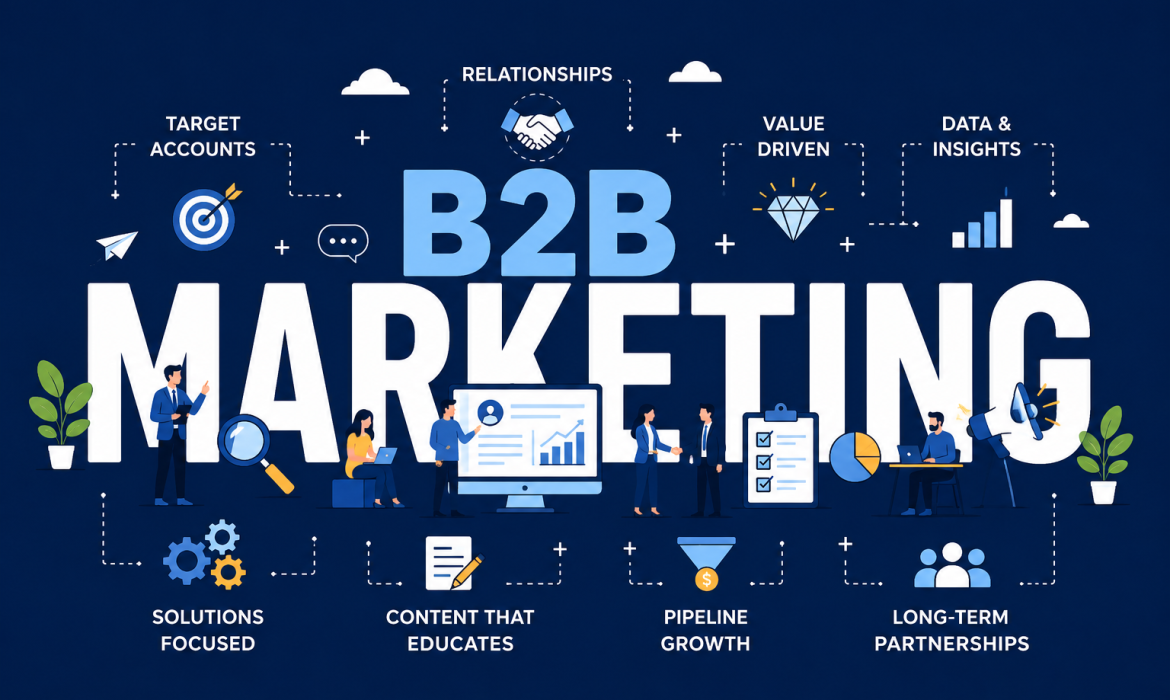
Modern B2B marketing is flooded with data. Every click, download, webinar signup, page visit, and email open creates a trail of information. At first glance, this seems beneficial because marketers now have more insights than ever before. However, there is a growing problem hidden inside this abundance of data: not every interaction reflects genuine buying intent.
This is where the concept of “signal vs noise” becomes critical.
In B2B marketing, a signal is a meaningful action that indicates a prospect is moving toward a purchase decision. On the other hand, noise includes random engagement, low-value interactions, vanity metrics, or activities that appear promising but do not actually contribute to revenue.
The challenge for marketers today is not collecting more data. Instead, it is learning how to identify the right signals while filtering out distractions. Businesses that master this balance can improve lead quality, shorten sales cycles, and allocate marketing budgets more effectively.
Understanding Signal and Noise in B2B Marketing
The terms “signal” and “noise” originally come from communication theory. A signal carries useful information, while noise interferes with understanding that information clearly.
In B2B marketing, the same principle applies.
Examples of Signal
Signals are behaviors that strongly suggest purchase interest. These include:
- Requesting a product demo
- Visiting pricing pages multiple times
- Comparing competitors
- Downloading case studies
- Engaging with solution-focused content
- Multiple stakeholders visiting the website from the same company
- Asking detailed product questions
- Returning to the site within a short timeframe
These actions indicate that the prospect is actively evaluating solutions.
Examples of Noise
Noise includes activities that create engagement but do not necessarily indicate buying readiness. For example:
- Random social media likes
- One-time blog visits
- Accidental email opens
- High website traffic with low conversion rates
- Generic ebook downloads
- Bot traffic
- Students or researchers consuming content
- Unqualified webinar attendees
Although these metrics may look impressive on dashboards, they often fail to generate pipeline value.
Therefore, relying only on surface-level engagement can mislead marketing teams into chasing the wrong audience.
Why Identifying Real Buyer Intent Matters
B2B buying journeys have become increasingly complex. Buyers now conduct extensive research before speaking with sales representatives. As a result, marketers must identify intent signals early to stay competitive.
1. Better Lead Qualification
Not every lead deserves equal attention. When marketers focus on meaningful buying signals, sales teams receive higher-quality leads. Consequently, this improves efficiency and reduces wasted outreach efforts.
2. Improved Marketing ROI
Marketing budgets are limited. Therefore, investing resources in prospects with genuine interest increases conversion rates and lowers acquisition costs.
3. Shorter Sales Cycles
When teams identify high-intent buyers earlier, they can deliver relevant messaging at the right stage of the customer journey. This accelerates decision-making and shortens sales cycles.
4. Stronger Sales and Marketing Alignment
Intent data creates a shared understanding between marketing and sales teams. Instead of debating lead quality, both departments can focus on measurable buyer behaviors.
The Biggest Sources of Noise in B2B Marketing
Many organizations unintentionally prioritize vanity metrics over meaningful outcomes. Understanding common sources of noise helps marketers avoid this trap.
Vanity Metrics
Metrics such as impressions, clicks, and follower counts may appear impressive in reports. However, they rarely reveal actual buying intent.
For example, a LinkedIn post may generate thousands of views but produce zero qualified leads.
Content Consumption Without Context
Downloading a whitepaper does not automatically indicate purchase readiness. Some users may simply be researching trends, completing academic work, or browsing casually.
Without behavioral context, content engagement alone becomes misleading.
Over-Reliance on Automation
Marketing automation tools can generate large volumes of leads. However, automated scoring models sometimes prioritize quantity over quality.
For instance, a prospect opening multiple emails may receive a high score despite having no decision-making authority.
Bot and Fake Traffic
Digital campaigns often attract automated traffic, spam submissions, or irrelevant visitors. If marketers fail to filter these interactions, campaign performance data becomes distorted.
Misinterpreting Early-Stage Engagement
A prospect reading an awareness-stage blog is not necessarily ready to purchase. Treating all engagement equally can overwhelm sales teams with unqualified leads.
How to Identify Real Buyer Intent
Separating signal from noise requires a strategic approach. Instead of relying on isolated metrics, marketers should analyze behavioral patterns across the buyer journey.
Focus on High-Intent Actions
Certain actions consistently indicate stronger purchase interest. These include:
- Demo requests
- Pricing inquiries
- Product comparison visits
- ROI calculator usage
- Free trial signups
- Consultation bookings
- Technical documentation downloads
These behaviors often reflect active solution evaluation.
Track Buying Committees, Not Individuals
B2B purchases rarely involve a single decision-maker. Multiple stakeholders participate in the evaluation process.
Therefore, marketers should monitor account-level engagement rather than focusing only on individual leads. When several employees from the same organization interact with high-intent content, the buying signal becomes stronger.
Use Intent Data Strategically
Intent data helps identify companies researching relevant topics across digital channels.
There are generally two types of intent data:
First-Party Intent Data
This comes directly from your owned channels, such as:
- Website behavior
- Email engagement
- Webinar participation
- CRM interactions
First-party data is often the most reliable because it reflects direct engagement with your brand.
Third-Party Intent Data
This data comes from external publishers and platforms that track research activity across the web.
For example, if a company repeatedly searches for “best HR automation software,” it may indicate upcoming purchase intent.
However, third-party intent data should always be validated with additional signals.
Analyze Behavioral Patterns
One isolated interaction rarely tells the full story. Instead, marketers should look for repeated behaviors over time.
For example:
- A visitor reading multiple solution pages
- Returning to the site several times
- Engaging with bottom-funnel content
- Comparing features and pricing
These patterns provide stronger evidence of genuine interest.
Prioritize Engagement Depth
Depth matters more than volume.
A prospect spending ten minutes on a product page may be more valuable than someone briefly visiting five blog posts.
Therefore, marketers should focus on quality engagement metrics such as:
- Time on page
- Repeat visits
- Content sequence progression
- High-value page interactions
The Role of AI in Filtering Signal from Noise
Artificial intelligence is transforming B2B marketing analytics. AI-powered tools can analyze large datasets and identify patterns that humans may overlook.
Predictive Lead Scoring
AI can evaluate historical conversion data to identify behaviors associated with successful deals. This improves lead prioritization and reduces manual guesswork.
Behavioral Analysis
Machine learning models can detect intent trends across multiple touchpoints, including:
- Website activity
- Email interactions
- CRM updates
- Content engagement
As a result, marketers gain a more accurate understanding of buyer readiness.
Personalization at Scale
AI also helps marketers deliver personalized messaging based on buyer intent signals. Prospects receive content tailored to their stage in the buying journey, improving engagement and conversion rates.
However, marketers should avoid relying entirely on automation. Human judgment remains essential for interpreting context and strategic relevance.
Building a Signal-Driven Marketing Strategy
Organizations that successfully identify buyer intent typically follow a disciplined approach.
Align Metrics with Revenue Goals
Instead of focusing only on traffic or engagement, marketers should prioritize metrics tied to pipeline growth and revenue generation.
Examples include:
- Sales-qualified leads
- Opportunity creation
- Pipeline contribution
- Customer acquisition cost
- Conversion velocity
Create Intent-Based Content
Different stages of the buyer journey require different content formats.
Awareness Stage
- Educational blogs
- Industry reports
- Infographics
Consideration Stage
- Comparison guides
- Case studies
- Webinars
Decision Stage
- Product demos
- ROI calculators
- Pricing sheets
Intent-focused content helps marketers identify where prospects stand in the decision-making process.
Strengthen Sales and Marketing Collaboration
Sales teams often possess valuable insights about genuine buyer intent. Therefore, regular communication between marketing and sales improves lead evaluation accuracy.
Shared dashboards, feedback loops, and unified scoring models create better alignment.
Continuously Refine Lead Scoring Models
Buyer behavior evolves over time. Consequently, lead scoring models should be updated regularly based on conversion outcomes and market changes.
What worked last year may no longer reflect current buyer behavior.
Common Mistakes Marketers Should Avoid
Even experienced marketers sometimes struggle to distinguish real signals from distractions.
Treating Every Lead Equally
Not all engagement deserves immediate sales follow-up. Over-prioritizing low-intent leads wastes resources and reduces productivity.
Chasing Volume Instead of Quality
Large lead databases may appear impressive, but pipeline quality matters far more than quantity.
Ignoring Context
A pricing page visit from a student researcher carries different intent than repeated visits from a procurement manager.
Context is essential for accurate interpretation.
Overcomplicating Analytics
Complex dashboards filled with excessive metrics often create confusion rather than clarity. Simpler, revenue-focused reporting is usually more effective.
The Future of Buyer Intent in B2B Marketing
As digital channels continue to expand, the amount of marketing data will only increase. Consequently, separating signal from noise will become even more important.
Future B2B marketing strategies will likely focus on:
- AI-driven intent analysis
- Account-based marketing integration
- Real-time behavioral insights
- Predictive customer journeys
- Privacy-first data collection
Businesses that successfully interpret intent signals will gain a significant competitive advantage.
Rather than chasing every interaction, they will focus on identifying the moments that truly matter.
Conclusion
In today’s data-heavy marketing environment, more information does not always lead to better decisions. The real challenge lies in distinguishing meaningful buyer intent from digital noise.
While vanity metrics may create the illusion of success, genuine growth comes from understanding which behaviors actually drive purchasing decisions.
By focusing on high-intent actions, analyzing behavioral patterns, leveraging AI responsibly, and aligning marketing efforts with revenue goals, B2B organizations can improve lead quality and maximize conversion opportunities.
Ultimately, successful B2B marketing is not about capturing the loudest signals. It is about recognizing the right ones.
I hope you find the above content helpful. For more such informative content, please visit SalesDemand.
FAQs
1. What does “signal vs noise” mean in B2B marketing?