Events remain one of the most effective channels in B2B marketing. Webinars, virtual summits, trade shows, and roundtables put companies in front of buyers who are actively exploring solutions. Yet many organizations leave an event with a long attendee list and very little revenue to show for it.
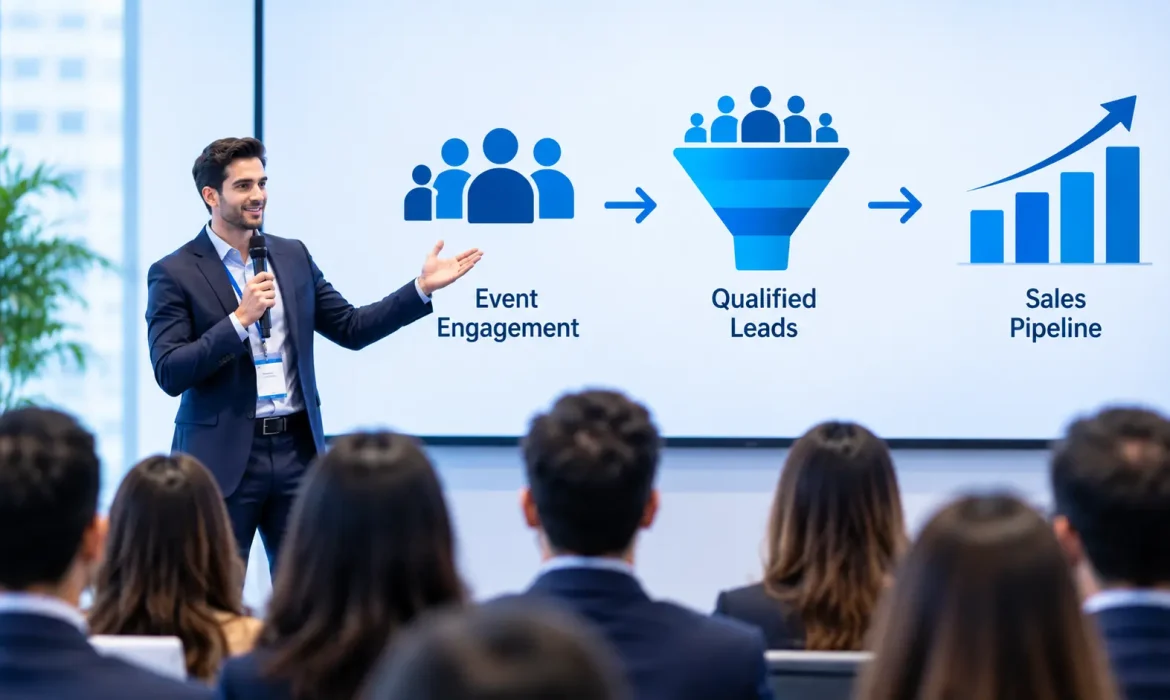
The reason is simple: registrations and attendance are activity metrics, not business outcomes. A strong B2B event lead generation strategy connects engagement to qualification and qualification to sales opportunities. This article explains how to do that before, during, and after your events.
Why B2B Event Lead Generation Matters
Events create direct, high-intent interactions that most digital channels cannot match. Attendees give their time and attention, ask questions, and reveal which topics matter to them. These behaviors are valuable buying signals.
However, event-generated leads are not sales-ready by default. A person who attends a single session may be a student, a competitor, or an early-stage researcher. Without a structured process to separate genuine prospects from casual participants, sales teams waste time and marketing loses credibility. Effective event-based lead generation turns raw engagement into prioritized, actionable opportunities.
Capturing High-Quality Leads Before, During, and After Events
Lead quality is shaped at every stage of the event lifecycle, not just at the booth or the virtual lobby.
Before the Event: Attract the Right Audience
Quality starts with targeting. Define your ideal customer profile (ICP) by industry, company size, job function, and buying challenges, then build your promotion around it.
- Use targeted email campaigns and LinkedIn promotions aimed at ICP accounts rather than broad audiences.
- Create a target account list and track which of those accounts register.
- Flag high-value prospects early so sales can engage them before the event.
A smaller audience that matches your ICP will outperform a larger audience that does not.
During the Event: Identify Buyer Interest
Attendance is only the starting point. What attendees do matters far more.
- Track session attendance, duration, and participation in polls, chats, and Q&A.
- Record the questions they ask and the content they download.
- Note decision-makers and signals of purchase intent, such as questions about pricing, implementation, or integrations.
An attendee who stays for the full product session and asks about deployment timelines is a very different lead from one who joined for five minutes.
After the Event: Turn Engagement Into Opportunities
This is where most pipelines are won or lost. Begin by segmenting attendees by engagement level, for example:
- High intent – attended key sessions, asked questions, requested a demo.
- Moderate interest – attended but with limited interaction.
- Low engagement – registered but did not attend, or left early.
Each group should receive a different follow-up. High-intent prospects should hear from sales quickly with a personalized message that references what they engaged with. Moderate-interest attendees can receive relevant content such as a recording, a case study, or a related guide. No-shows can be offered on-demand access and invited to future events.
Speed matters. Interest fades fast, and a follow-up that arrives two weeks later is often forgotten or ignored.
Turning Event Engagement Into Qualified Sales Leads
Basic registration data (name, company, job title) tells you who someone is, but not whether they are ready to buy. To move beyond it, build a qualification framework that combines profile fit with behavior.
- Use lead scoring. Assign points for attributes that match your ICP, such as industry, seniority, and company size, and for engagement actions such as attending sessions, asking questions, visiting your pricing page, or requesting a meeting. A combined score gives a more reliable picture of readiness than any single data point.
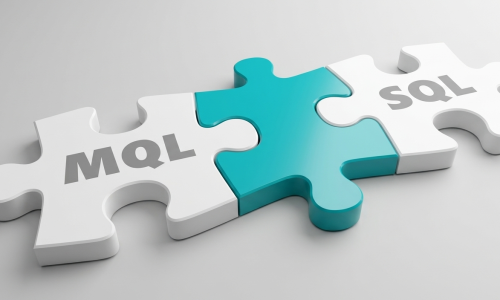
- Align MQLs and SQLs. Marketing-qualified leads (MQLs) show interest and fit. Sales-qualified leads (SQLs) have been vetted and are ready for a direct sales conversation. Marketing and sales should agree on the criteria that move a lead from one stage to the next. Without that agreement, marketing may hand over leads that sales rejects, and sales may ignore leads that were genuinely promising.
- Hand off at the right time. Passing a lead too early overwhelms sales with unready contacts. Passing it too late risks losing the opportunity to a competitor. Clear scoring thresholds and service-level agreements for follow-up help keep the handoff consistent.
The Role of Data and AI in Event-Based Lead Nurturing
Data and automation make it possible to manage event leads at scale without losing personalization.
- Engagement analysis – AI tools can analyze attendance patterns, content interactions, and behavior across channels to highlight the contacts most likely to convert.
- Lead enrichment – Adding firmographic and technographic details, such as company revenue, industry, and technology stack, gives sales context before the first conversation.
- Automated follow-up – Workflows can send personalized emails based on sessions attended or topics of interest, so nurturing begins within hours rather than days.
- Intent data – Third-party and first-party intent signals show which accounts are actively researching relevant topics, helping sales prioritize outreach.
Technology should support, not replace, human judgment. The best results come when automated insights guide sales teams toward better conversations.
Measuring the Impact of B2B Event Marketing on Sales Pipeline
If you cannot measure the pipeline an event creates, you cannot improve it. Move beyond vanity metrics and track outcomes tied to revenue:
- Lead-to-opportunity conversion rate – the share of event leads that become sales opportunities.
- Cost per qualified lead – total event spend divided by the number of qualified leads generated.
- Event-sourced pipeline – the value of opportunities that originated from the event.
- Event-influenced pipeline – the value of existing opportunities that engaged with the event.
- Sales-qualified opportunities – the number of opportunities accepted by sales.
- Return on event investment – revenue attributed to the event compared with its total cost.
Review these metrics over a full sales cycle, not just in the weeks after the event. B2B deals often take months to close, so early results may understate the real impact.
Common Mistakes That Prevent Events From Generating Revenue
Even well-run events can underperform when these mistakes appear:
- Focusing only on registrations and attendance. High numbers feel like success but say little about the pipeline.
- Delaying follow-up. The longer the gap, the lower the response rate.
- Treating every attendee as equally valuable. Without segmentation, high-intent prospects get lost among casual attendees.
- Failing to align marketing and sales. Misaligned definitions and handoffs create friction and missed opportunities.
- Ignoring long-term nurturing. Many attendees are not ready to buy immediately but will be later. Consistent, relevant nurturing keeps your brand in mind.
Conclusion
Events are only as valuable as the process that follows them. The companies that succeed with B2B event lead generation target the right audience before the event, capture meaningful engagement signals during it, and act quickly with segmented, personalized follow-up afterward. They qualify leads with a clear scoring model, align marketing and sales around shared definitions, and measure success by pipeline and revenue rather than headcount.
By building a measurable event-to-pipeline strategy, B2B organizations can turn every event into a reliable source of qualified opportunities. If you are looking to strengthen this process, a partner with deep expertise in lead generation and demand generation, like SalesDemand, can help you connect event engagement with real sales outcomes.
I hope you find the above content helpful. For more such informative content, please visit SalesDemand.
FAQ
1. What is B2B event lead generation?
It is the process of identifying, capturing, and qualifying potential business buyers through events such as webinars, conferences, and trade shows, then nurturing them toward a sales conversation.
2. How do B2B companies generate leads from events?
They target ICP-aligned audiences before the event, track engagement during it, and follow up with segmented, personalized outreach afterward.
3. How can businesses convert event attendees into customers?
By scoring leads on fit and behavior, passing high-intent prospects to sales quickly, and nurturing the rest with relevant content over time.
4. What metrics should companies track to measure B2B event success?
Key metrics include lead-to-opportunity conversion rate, cost per qualified lead, event-sourced pipeline, sales-qualified opportunities, and return on event investment.
5. How does AI improve B2B event lead generation?
AI helps analyze engagement, enrich lead data, automate personalized follow-up, and prioritize accounts showing strong buying intent.