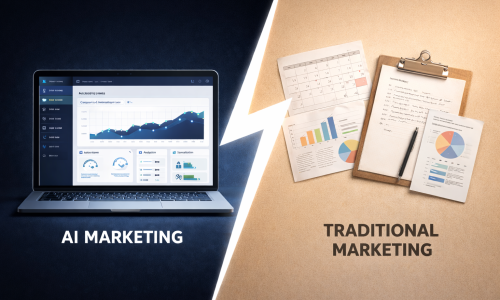

B2B content marketing is evolving rapidly as we move toward 2026. What used to be a straightforward process of publishing blogs and whitepapers has transformed into a complex, multi-layered strategy driven by data, artificial intelligence, and changing buyer expectations. Today’s B2B buyers are not only more informed but also rely on multiple digital channels and AI-powered tools to evaluate solutions. This means your content must be designed for both human readers and intelligent systems that influence decision-making.
To stay competitive, B2B teams need a structured approach to content creation, one that ensures every piece of content is valuable, discoverable, and aligned with business outcomes. The following checklist provides a comprehensive framework to achieve that.
Understanding Your Audience and Intent
A successful content strategy begins with a deep understanding of your audience. In 2026, this goes far beyond traditional buyer personas. You must consider a broader ecosystem that includes decision-makers, influencers, and even AI systems that assist in evaluating vendors. Each of these stakeholders interacts with content differently, making it essential to map out their needs and expectations.
Equally important is understanding buyer intent. At different stages of the journey, your audience is looking for different types of information. Someone in the awareness stage may be exploring a problem, while someone in the decision stage is comparing solutions. By aligning your content with these intent signals, you can ensure it resonates with your audience and drives meaningful engagement.
Structuring Content for AI and Search
As AI continues to shape how content is discovered and consumed, structure has become a critical factor. Content must be organized in a way that is easy for both humans and machines to understand. Clear headings, logical flow, and concise summaries help improve readability while also making it easier for AI systems to extract key information.
This shift requires marketers to think beyond traditional SEO and embrace optimization for generative engines. Content should answer questions directly, use natural language, and provide clear insights. When structured effectively, your content is more likely to appear in search results as well as AI-generated recommendations.
Focusing on Value-Driven Content
In a crowded digital landscape, only content that delivers real value stands out. B2B buyers are highly selective and have little patience for generic or promotional material. They are looking for actionable insights, practical solutions, and credible information that helps them make informed decisions.
High-value content often includes detailed guides, case studies, and frameworks that address specific challenges. By consistently delivering meaningful insights, you not only capture attention but also build trust and establish your brand as an authority in your industry.
Delivering Personalization at Scale
Personalization has become a key driver of content effectiveness. Generic messaging no longer resonates with modern B2B audiences. Instead, content must be tailored to specific segments based on factors such as industry, role, and behavior.
For instance, a finance executive evaluating a solution will have different priorities compared to a marketing leader. By leveraging data and AI tools, B2B teams can deliver personalized experiences at scale, ensuring that each user receives content that is relevant and impactful. This level of customization significantly improves engagement and conversion rates.
Building a Strong Distribution Strategy
Creating high-quality content is only part of the equation; ensuring it reaches the right audience is equally important. A strong distribution strategy involves leveraging multiple channels such as blogs, social media, email campaigns, and professional networks.
Repurposing content into different formats, such as videos, infographics, and short-form posts, can further amplify its reach. Consistency in publishing and distribution also plays a crucial role in maintaining visibility and engagement over time. Without a well-planned distribution approach, even the best content may fail to deliver results.
Using Data to Drive Decisions
Data-driven decision-making is essential for optimizing content performance. By analyzing metrics such as engagement rates, conversion rates, and user behavior, marketers can gain valuable insights into what works and what doesn’t.
These insights enable continuous improvement, allowing teams to refine their strategies and achieve better outcomes. Advanced analytics and AI tools can also help predict trends and identify opportunities, giving businesses a competitive edge in an ever-changing market.
Optimizing for SEO and Generative Engines
Search optimization is no longer limited to traditional search engines. In 2026, content must also be optimized for generative AI systems that provide direct answers to user queries. This requires a shift in approach, focusing on clarity, relevance, and conversational language.
By incorporating natural language queries and providing concise answers, you increase the likelihood of your content being featured in AI-generated responses. This dual approach, combining SEO with Generative Engine Optimization (GEO), ensures maximum visibility and reach.
Establishing Trust and Credibility
Trust is a critical factor in B2B decision-making. Buyers are more likely to engage with content that is credible, transparent, and backed by expertise. Including author credentials, citing reliable data, and showcasing real-world success stories can significantly enhance your content’s credibility.
Consistent branding and messaging also contribute to building trust over time. When your content consistently delivers value and reliability, it strengthens your reputation and fosters long-term relationships with your audience.
Covering the Full Buyer Journey
An effective content strategy must address every stage of the buyer journey. At the top of the funnel, educational and thought leadership content helps create awareness. In the middle stages, more detailed content such as case studies and webinars helps nurture prospects.
At the bottom of the funnel, conversion-focused content such as product demos, testimonials, and ROI calculators plays a crucial role in closing deals. By aligning your content with each stage, you can guide prospects seamlessly from initial interest to final decision.
Balancing Human Creativity and AI Efficiency
The future of content marketing lies in the collaboration between humans and AI. While AI tools can significantly improve efficiency by assisting with research, content creation, and optimization, human input remains essential for strategy and storytelling.
Maintaining a consistent brand voice and emotional connection requires human creativity. By combining the strengths of both, B2B teams can create content that is both efficient and impactful.
Refreshing and Optimizing Content Regularly
Content is not a one-time effort; it requires continuous optimization. Regularly updating existing content ensures that it remains relevant and accurate. This includes adding new insights, improving structure, and enhancing readability.
Repurposing high-performing content into different formats can also extend its lifespan and reach. This ongoing process helps maximize the value of your content and ensures sustained performance over time.
Designing for Conversions
Ultimately, the goal of B2B content is to drive action. This means every piece of content should be designed with conversion in mind. Clear calls-to-action, intuitive design, and a seamless user experience are essential components.
Whether it’s encouraging users to download a resource, sign up for a webinar, or request a demo, the path to conversion should be straightforward and compelling. Effective design not only enhances user experience but also improves overall performance.
Conclusion
B2B content marketing in 2026 demands a strategic, data-driven, and highly personalized approach. By following this proven checklist, B2B teams can create content that not only captures attention but also delivers measurable business results.
Success lies in understanding your audience, delivering real value, leveraging technology, and continuously optimizing your efforts. In a competitive and rapidly evolving landscape, this approach will enable businesses to stand out, build trust, and achieve long-term growth.