As companies prepare their go-to-market (GTM) strategies for 2026, most marketing budgets still focus on the same channels that have been used for years. Paid advertising, email campaigns, and outbound sales continue to dominate GTM investments.
These channels can still deliver results, but they are becoming more competitive and expensive. Every company is trying to reach the same audience using similar tactics, which makes it harder to capture attention and generate meaningful engagement.
At the same time, B2B buyers are changing the way they discover and evaluate solutions. Instead of responding to direct marketing messages, they prefer learning from trusted sources, industry experts, and peer recommendations. Many buyers now complete a large portion of their research before ever speaking with a sales representative.
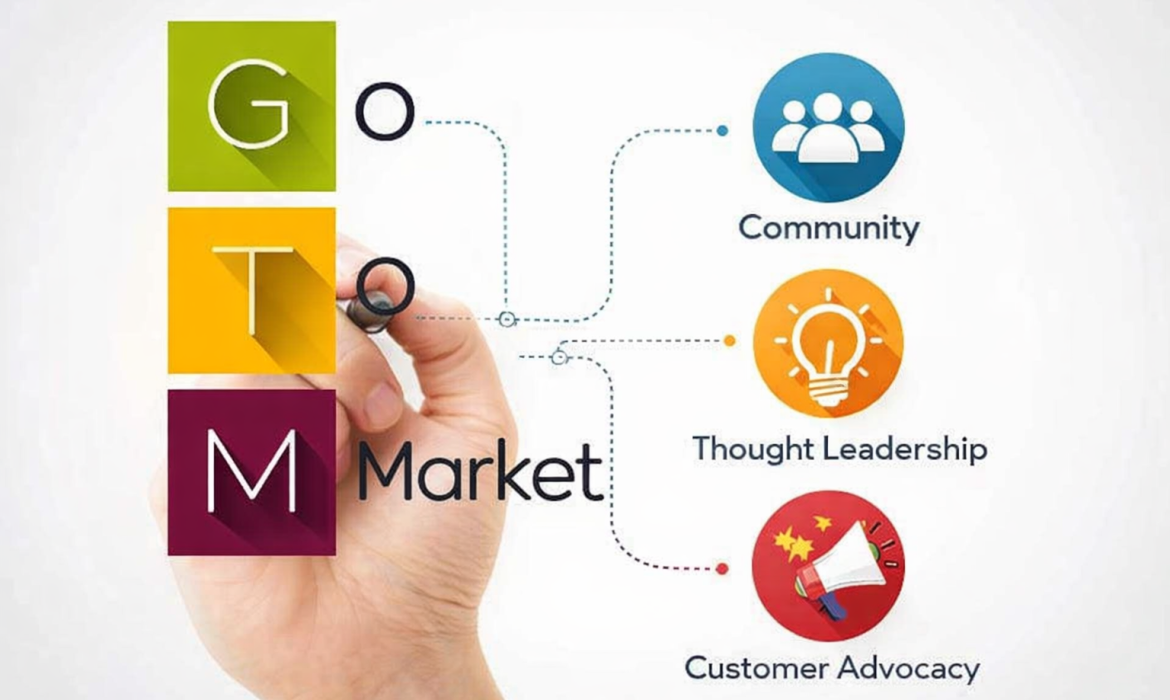
Because of this shift, some of the most valuable GTM opportunities today are not the most obvious ones. In fact, one of the most underrated tactics that deserves more budget in 2026 is community-driven engagement and audience ownership.
Companies that focus on building relationships with their audience, rather than simply running campaigns, are beginning to see stronger long-term growth.
Understanding GTM in Today’s B2B Landscape
Before exploring the most underrated tactics, it helps to understand what GTM means in today’s business environment.
A go-to-market strategy is the plan a company uses to bring its product or service to the right customers. It includes everything from identifying the target audience to choosing the channels used for marketing, sales, and customer engagement.
A strong GTM strategy usually answers three important questions:
- Who are the ideal customers?
- What problem does the product solve?
- How will the company reach and convert those customers?
In the past, many GTM strategies focused heavily on generating leads quickly. The goal was to reach as many potential buyers as possible and move them through the sales funnel.
However, the modern B2B buyer journey is very different. Buyers are more informed, more independent, and more selective about the brands they engage with. As a result, successful GTM strategies today must focus not only on generating leads but also on building trust and credibility over time.
Why Traditional GTM Channels Are Becoming Less Effective
Traditional marketing and sales channels are not disappearing, but their effectiveness is slowly declining for several reasons.
1. Increased Competition
Digital advertising platforms are more crowded than ever. Many companies are competing for the same keywords, audiences, and placements. This competition drives up costs and reduces overall return on investment.
2. Information Overload
Modern buyers are exposed to a constant stream of emails, advertisements, and promotional content. Because of this, many people ignore marketing messages unless they provide clear value.
3. Privacy and Data Limitations
Privacy regulations and the decline of third-party cookies are making it harder for marketers to track user behavior and deliver highly targeted ads. This limits the effectiveness of many traditional demand-generation tactics.
4. Complex Buying Committees
B2B purchases often involve multiple stakeholders, including executives, managers, and technical teams. Each person involved in the decision may have different concerns and priorities. Reaching all of these stakeholders through traditional campaigns can be difficult.
These changes are forcing companies to rethink their GTM strategies and invest in channels that focus on trust, expertise, and long-term engagement.
The Rise of Community-Led GTM
One of the most promising yet underutilized GTM tactics today is community-led marketing.
Community marketing focuses on creating a space where professionals can connect, learn, and share knowledge related to their industry. Instead of constantly promoting products, companies focus on providing value and encouraging meaningful conversations.
Communities can take many different forms, including:
- Professional groups on LinkedIn
- Private Slack or Discord communities
- Industry newsletters and knowledge hubs
- Online forums for professionals
- Exclusive virtual events or roundtables
The purpose of these communities is not immediate lead generation. Instead, the goal is to create an environment where people return regularly to gain insights, discuss challenges, and learn from others in their field.
Over time, the brand that hosts or supports the community becomes a trusted source of knowledge.
Why Community-Driven Marketing Is So Powerful
Although community building may not produce instant results like paid advertising, its long-term impact can be extremely valuable.
1. Building Trust Before the Sales Conversation
Trust plays a major role in B2B buying decisions. Buyers are more likely to consider a company that has consistently provided helpful insights and valuable resources.
Communities create opportunities for companies to demonstrate expertise without directly selling.
2. Continuous Engagement With the Audience
Traditional marketing campaigns often create short bursts of attention. Once a campaign ends, engagement usually drops.
Communities work differently. They provide ongoing interaction between the brand and its audience. This continuous engagement helps companies stay visible and relevant over time.
3. Access to Real Customer Insights
Community discussions often reveal the real challenges professionals are facing in their work. By listening to these conversations, companies can better understand customer needs and adjust their messaging, products, or services accordingly.
These insights can be extremely valuable for both marketing and product development teams.
4. Encouraging Organic Advocacy
When people gain value from a community, they naturally share their experiences with colleagues and peers. This can lead to word-of-mouth promotion and authentic recommendations.
In many cases, these peer recommendations carry more influence than traditional marketing messages.
Other Underrated GTM Channels Worth Investing In
While community-led marketing is one of the most overlooked tactics, several other GTM channels are also gaining importance.
1. Executive Thought Leadership
Today’s buyers want to hear directly from industry leaders and experts. When founders, executives, or subject-matter experts share insights on professional platforms like LinkedIn, they help position their company as a trusted authority.
Thought leadership content may include:
- Industry insights
- Market trend analysis
- Lessons from real business experiences
- Predictions about future developments
When done consistently, this type of content can attract a highly relevant audience.
2. Niche Media Partnerships
Instead of targeting broad audiences, many companies are finding success by partnering with niche industry publications, podcasts, or newsletters.
These platforms often have smaller audiences, but they are highly engaged and trust the content they consume. Collaborating with niche media outlets can help brands reach the right audience in a more meaningful way.
3. Customer Advocacy Programs
Satisfied customers are one of the most powerful marketing assets a company can have. Customer advocacy programs encourage existing clients to share their experiences through testimonials, case studies, and referrals.
Potential buyers often trust feedback from other customers more than promotional messaging from vendors.
4. Educational Content and Research
Another underrated GTM tactic is creating high-value educational resources such as industry reports, research studies, and expert guides.
These resources help position companies as thought leaders while also attracting professionals who are actively researching solutions.
How Companies Can Start Building Community-Driven GTM
Building a successful community requires more than simply launching a group or platform. It requires a clear strategy focused on long-term value.
Here are a few important steps companies can take.
1. Identify a Specific Audience
Communities grow faster when they serve a well-defined group of professionals with shared interests or challenges.
For example, instead of targeting all marketers, a company might create a community specifically for B2B demand generation leaders.
2. Focus on Valuable Conversations
The primary goal of a community should be knowledge sharing and collaboration. Discussions should focus on industry insights, problem solving, and peer learning rather than product promotion.
3. Encourage Participation
Communities become stronger when members actively contribute. Encouraging members to share experiences, ask questions, and participate in discussions helps create a more engaging environment.
4. Provide Consistent Value
Regular events, expert interviews, newsletters, or exclusive resources can help keep members engaged and encourage them to return regularly.
Rethinking GTM Budgets for 2026
The biggest shift happening in GTM today is not just about new channels. It is about how companies think about growth.
In the past, many organizations focused on short-term lead generation. Marketing success was often measured by the number of leads produced in a campaign.
However, modern B2B buyers value expertise, credibility, and trusted relationships. This means companies must invest in channels that help them build long-term connections with their audience.
Community-driven engagement, thought leadership, and customer advocacy may take longer to develop, but they often produce stronger and more sustainable results.
Companies that start investing in these areas now will likely gain a competitive advantage in the coming years.
Conclusion
The GTM landscape is evolving rapidly. Buyers are more informed, more selective, and more interested in learning from trusted sources before making purchasing decisions.
Because of this shift, some of the most valuable growth opportunities today are not the most heavily funded ones.
Community-driven marketing, thought leadership, niche media partnerships, and customer advocacy programs are all examples of underrated GTM tactics that deserve greater attention.
Organizations that move beyond traditional campaigns and focus on building genuine relationships with their audience will be better positioned for long-term success.
In 2026 and beyond, the companies that win will not simply be the ones with the largest marketing budgets. They will be the ones that invest wisely in trust, engagement, and meaningful connections with their market.