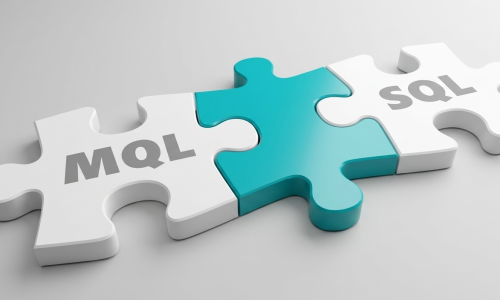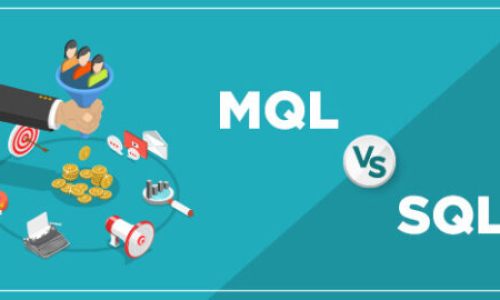

Every marketing team can hand sales a long list of leads. The harder question is how many of those leads sales actually agree to work, and how quickly that happens. That is where the sales accepted lead comes in. A sales accepted lead (SAL) is a marketing qualified lead that sales has reviewed and committed to following up on. It marks the moment a handoff becomes an agreement instead of an assumption.
Too many B2B teams still judge success by total lead counts, then wonder why sales complains about lead quality. Tracking how fast a lead moves from first intent signal to sales acceptance, known as SAL velocity, gives a clearer picture of what is really working. In this guide, we explain how a sales accepted lead differs from an MQL, how to measure it, why sales reject leads, and how to build a process both teams trust.
Here are the four sections, written to slot between the introduction and conclusion. The numbers in the examples are illustrative, not client data, so you can swap on your own.
Why the SAL stage matters
Without a sales accepted lead stage, your MQL-to-SQL rate hides a problem. A lead that sales never looked at and a lead that sales reviewed and rejected both count as “not converted.” Adding the SAL stage separates the two, so you can see exactly where leads drop off. If most leads stall before acceptance, the issue is follow-up speed. If they are rejected after review, the issue is lead quality or targeting.
The SAL stage also brings other benefits:
- Shared accountability – Marketing commits to delivering leads that meet agreed criteria, and sales commits to reviewing them within a set time. Neither team can quietly blame the other.
- Less wasted selling time – Reps focus on leads they have agreed to work instead of sorting through a queue of unreviewed contacts.
- Better feedback for marketing – Each rejection, with its reason, shows which campaigns, sources or audiences are sending weaker leads.
- More reliable reporting – With acceptance tracked as its own step, you can measure acceptance rate and SAL velocity, not just the final conversion number.
How to Measure Sales Accepted Lead Velocity
SAL velocity measures how long it takes a lead to move from its first intent signal to sales acceptance. Intent signals include a pricing page visit, a demo request or repeated engagement with bottom-of-funnel content.
The formula is simple:
SAL velocity = date of sales acceptance − date of first intent signal
Track it in days, or hours for high-intent leads, and look at the average and the median by lead source. For example, if webinar leads reach acceptance in 3 days and content syndication leads take 11, you know where handoffs are slowing down.
Pair velocity with two supporting numbers:
- SAL acceptance rate: accepted leads divided by MQLs delivered
- Time to first follow-up: how quickly a rep contacts a lead after accepting it
Together, these metrics show both the speed and the quality of your pipeline. That makes them more useful than a raw lead count.
Why Sales Rejects a Lead Before It Becomes a Sales Accepted Lead
A rejected lead is useful data, provided you record why it was rejected. The most common reasons include:
- Poor fit – wrong job title, company size or industry
- Weak intent – a single content download with no other activity
- Bad contact data – invalid email, wrong phone number or outdated role
- Wrong timing – the buyer is not ready to talk yet
- Duplicate or existing account – the lead is already being worked
Ask reps to select one standard rejection code for every lead they decline. After a few weeks, patterns appear. For instance, if most rejections from one campaign are title mismatches, the targeting needs fixing. If they are contact errors, the data needs cleaning.
Treat the rejection reasons as feedback for marketing. Focusing only on the acceptance rate creates friction between teams without showing what to change.
Building a Sales Accepted Lead Process with a Marketing-Sales SLA
A service level agreement (SLA) turns the sales accepted lead stage from an informal handoff into a process both teams follow. Keep it simple, and cover four points:
- Shared definition – the criteria a lead must meet to become a sales accepted lead
- Review window – how quickly sales must accept or reject each MQL, such as within 24 hours
- Follow-up commitment – how soon a rep must contact an accepted lead
- Feedback loop – a standard set of rejection codes and a regular meeting to review them
Build the stage into your CRM so every lead has a clear status and timestamp. Review the numbers weekly at first, then monthly once the process is stable. Adjust your lead scoring and targeting based on what the rejection data shows.
Conclusion
A sales accepted lead is more than a stage in your CRM. It is proof that marketing and sales agree on what a good lead looks like. When you measure SAL velocity and study why leads get rejected, you stop chasing volume and start improving the quality and speed of your pipeline.
Start small. Agree on a shared definition, set a clear follow-up window, and record every rejection reason. Within a few weeks, those patterns will show you where your targeting or messaging needs work.
If you want leads that sales is ready to accept, SalesDemand delivers qualified leads built around your criteria. Get in touch with our team to see how we can support your pipeline.
I hope you find the above content helpful. For more such informative content, please visit SalesDemand.